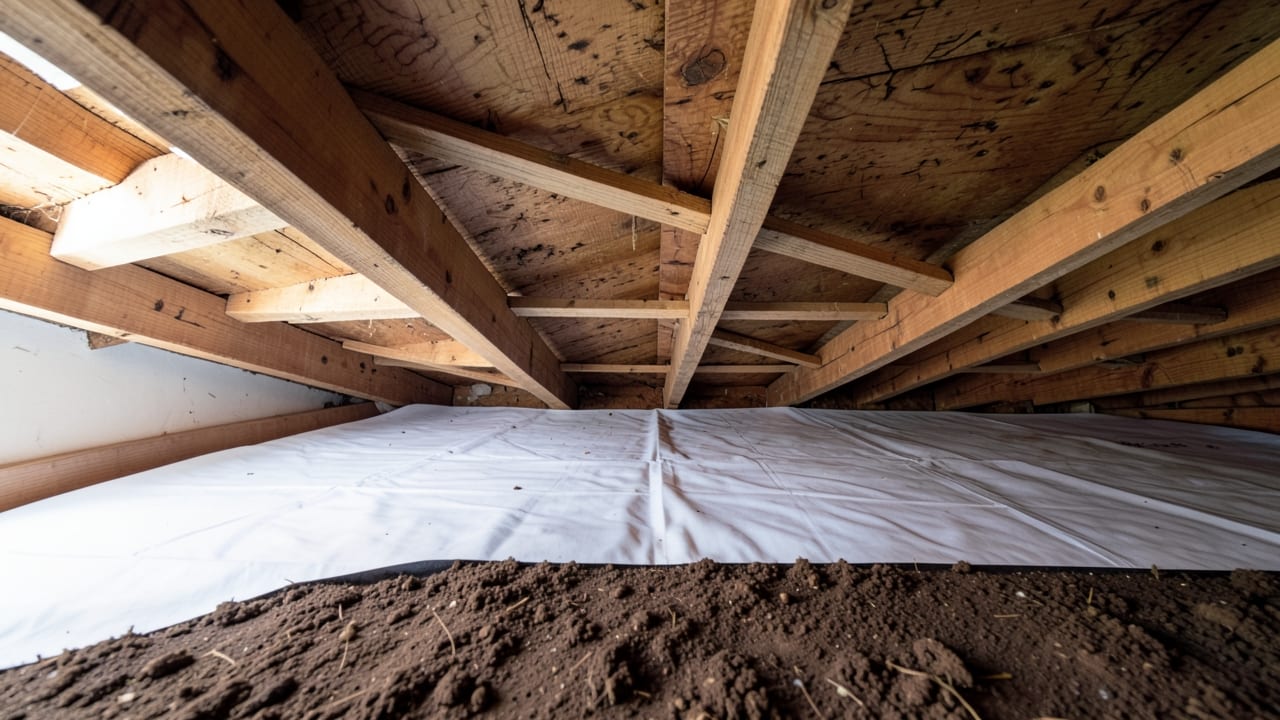
Crawl Space & Basement Mold Remediation
Crawl space and basement mold remediation in Norristown, PA addresses the two areas of a property most prone to trapped, unnoticed moisture.
In Norristown, PA, crawl spaces and basements are prime spots for hidden mold growth due to ground moisture and limited airflow. Our professional mold remediation addresses both the visible issue and the root cause, ensuring a lasting solution for your home’s health and safety.
Why Crawl Spaces & Basements Are High-Risk for Mold
Crawl spaces and basements in Norristown homes are uniquely vulnerable to mold. Both areas sit close to ground moisture, receive less airflow than living spaces, and are rarely checked. A dirt-floor crawl space or unfinished basement with stone/block foundations can wick groundwater moisture into the air, creating a constant low-level source for mold growth.
We also handle Clinic Mold Remediation and New Construction Mold Remediation for Norristown properties.
Without proper sealing or encapsulation, this moisture evaporates directly into the space below your home. Unlike kitchens or bathrooms, these areas lack ventilation and regular inspections, allowing mold to thrive undetected until it spreads.
Signs Your Crawl Space or Basement Needs Mold Remediation
- Musty odors in lower levels or living spaces above
- Visible mold growth on joists, insulation, or foundation walls
- High humidity or condensation on surfaces
- Peeling paint or wallpaper in adjacent rooms
- Increased allergy or respiratory issues among household members
The Remediation Process: Containment, Removal, and Prevention
Our remediation process in Norristown follows strict containment and HEPA-filtration protocols, adapted for the confined spaces of crawl spaces and basements. Affected materials like insulation and framing are carefully removed and treated to prevent regrowth.
| Service Component | What It Includes |
|---|---|
| Containment | Sealed barriers and negative air pressure to prevent mold spores from spreading to other areas of the home |
| HEPA Filtration | High-efficiency air scrubbers to capture airborne mold spores during removal |
| Material Removal | Safe disposal of mold-damaged insulation, drywall, or framing |
| Encapsulation (Optional) | Installation of vapor barriers or full encapsulation to block ground moisture at the source |
| Dehumidification | Controlled ventilation or dehumidifiers to maintain safe humidity levels |
Pricing and Timeline: What to Expect
Pricing for crawl space and basement mold remediation varies based on square footage, access difficulty, and whether encapsulation is included. A full inspection will provide a firm quote tailored to your home’s specific needs in Norristown.
How Crawl Space & Basement Mold Remediation Works
Our process ensures mold is safely removed and prevented from returning.
- 1Inspection & Assessment
A thorough inspection identifies the extent of mold growth, moisture sources, and affected materials in your crawl space or basement.
- 2Containment Setup
Sealed barriers and negative air pressure systems are installed to isolate the work area and prevent spores from spreading.
- 3Removal & Cleaning
Mold-damaged insulation, framing, or other materials are safely removed, and surfaces are cleaned with EPA-approved solutions.
- 4Prevention & Encapsulation
A vapor barrier or full encapsulation system is installed (if included) to block ground moisture, and dehumidifiers are set up to maintain safe humidity levels.
- 5Final Inspection
A post-remediation inspection confirms the mold has been fully removed and the space is safe for your home.
Frequently Asked Questions
How do I know if my crawl space or basement has mold?
Common signs include musty odors, visible mold growth on surfaces, high humidity, or increased allergy symptoms. An inspection can confirm the presence of mold and identify moisture sources.
Does mold remediation include fixing the moisture problem?
Yes, we address the root cause as part of the solution. This often involves installing vapor barriers, encapsulation, or dehumidifiers to prevent future growth.
How long does mold remediation take in a crawl space or basement?
Most projects take 1-3 days for remediation alone, while encapsulation or larger spaces may extend the timeline to 3-5 days. Access and scope can also affect duration.
Is encapsulation necessary, or is remediation enough?
Remediation removes existing mold, but encapsulation (or a vapor barrier) is often recommended to prevent regrowth by blocking ground moisture. We’ll advise based on your home’s specific needs.
See Audubon, PA for more, or explore our full Norristown-area coverage at a glance for our complete lineup.
Ready to get started?
Talk to a local mold remediation pro in Norristown — get a written quote.
Other Mold Remediation Services in Norristown
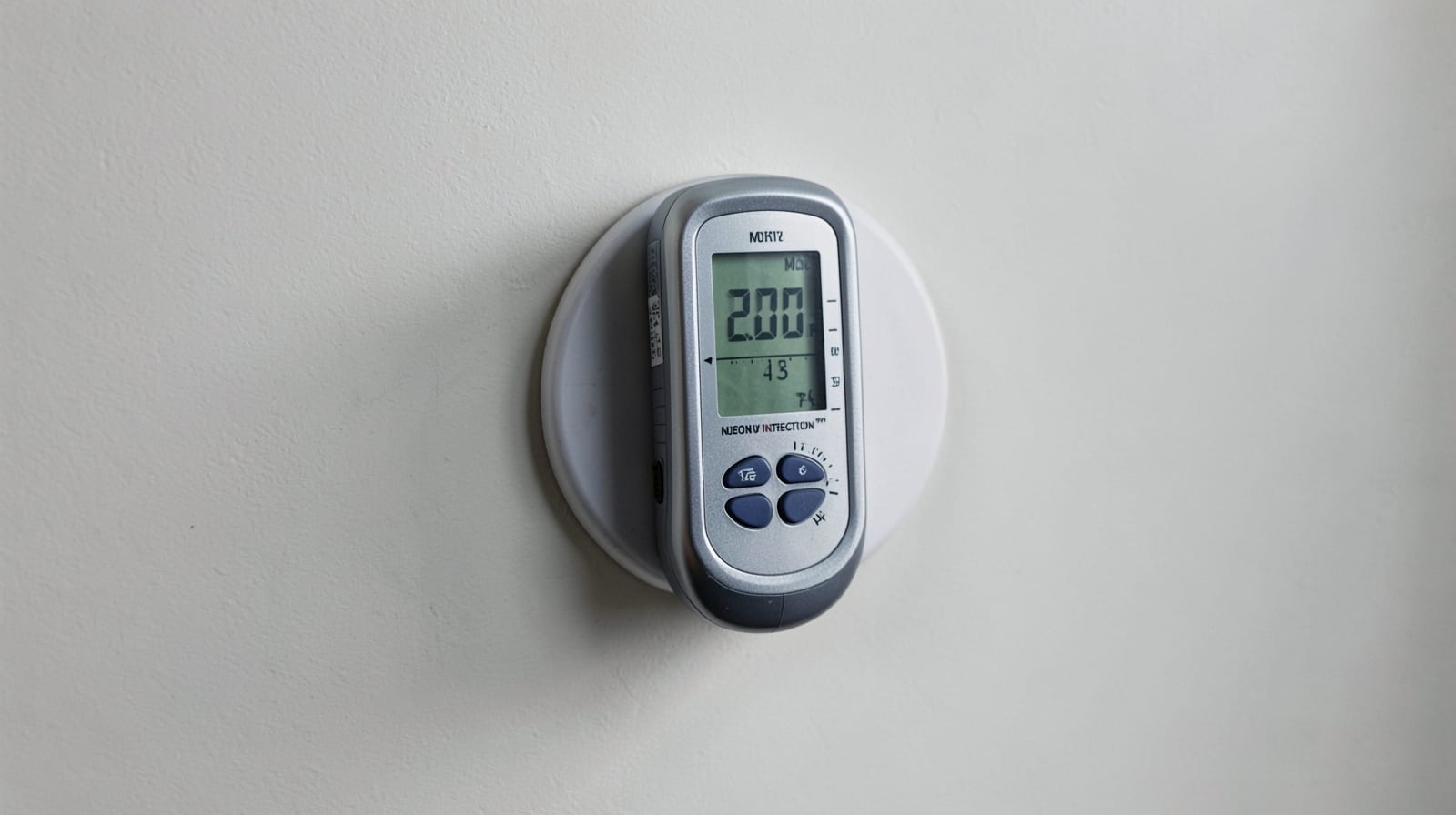
Clinic Mold Remediation in Norristown, PA
Professional mold removal and remediation to restore safe, healthy indoor spaces.
Learn More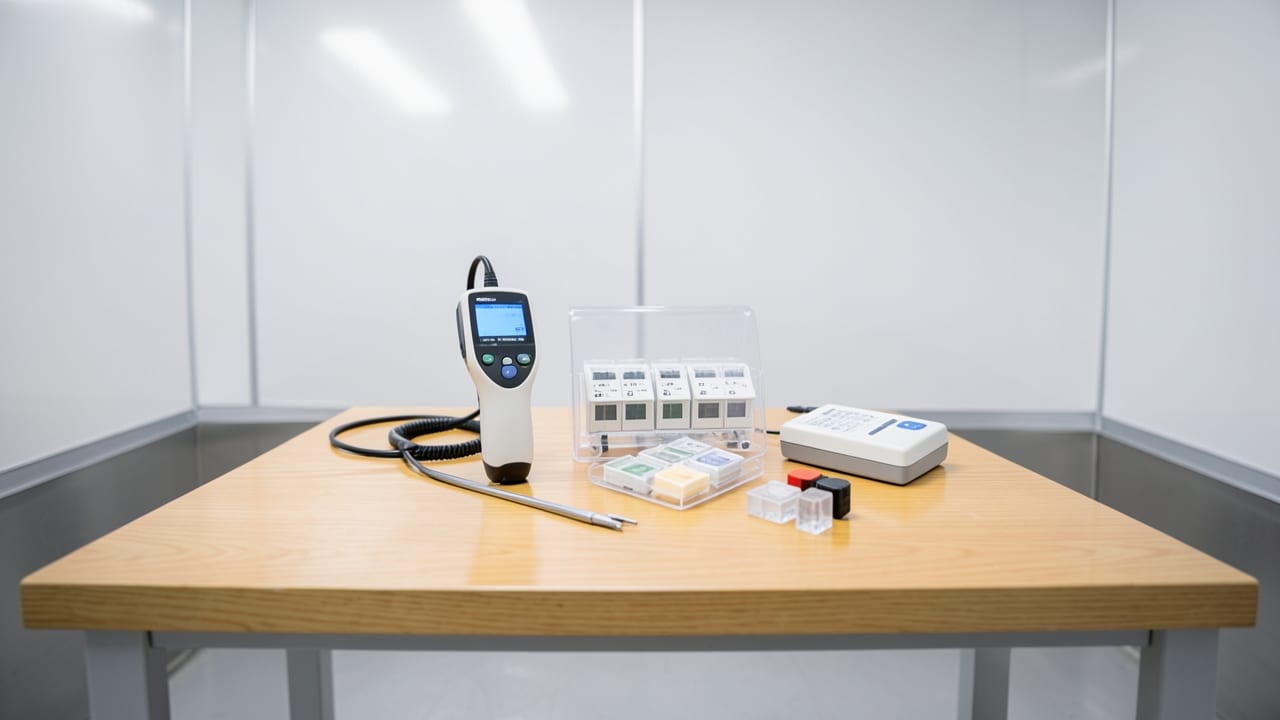
New Construction Mold Remediation in Norristown, PA
Professional mold removal and prevention in newly built homes to ensure safe, clean living spaces.
Learn More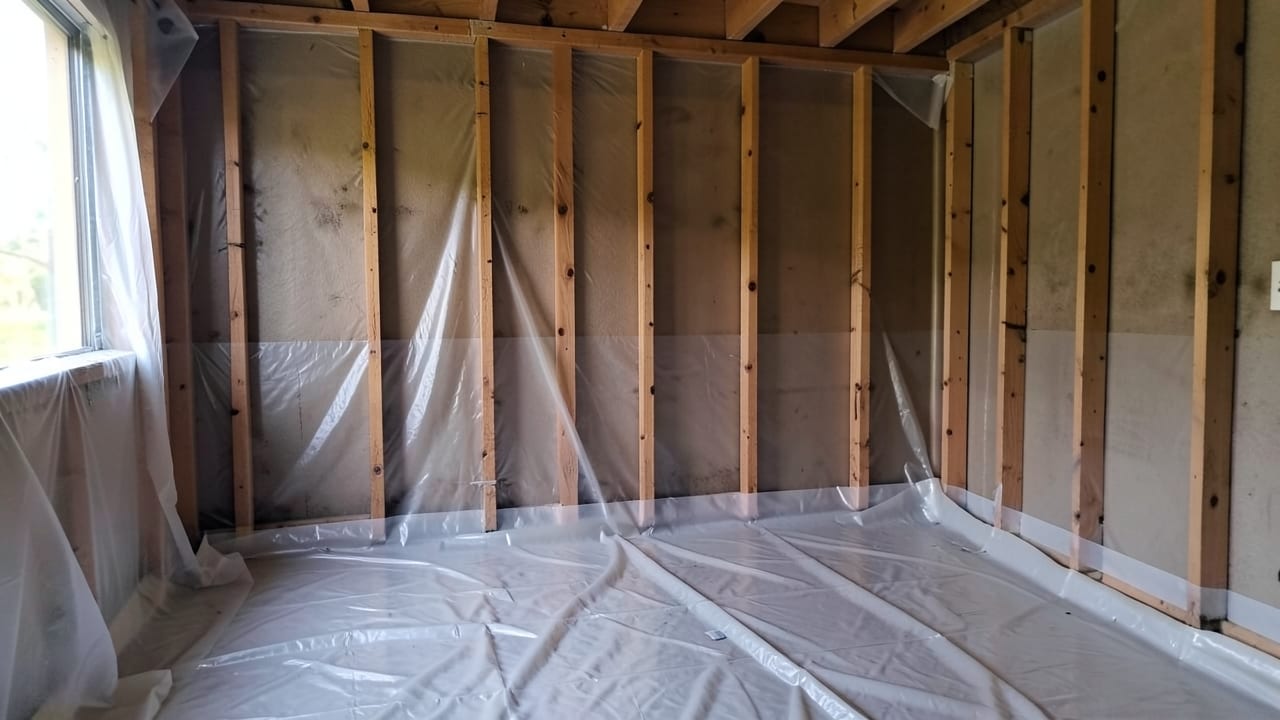
Hotel Mold Remediation in Norristown, PA
Professional removal and treatment of mold growth in hotel properties to restore safe, clean environments.
Learn More
Pet Urine Mold Treatment in Norristown, PA
Professional removal of mold caused by pet urine in homes, including assessment and treatment.
Learn More Salt Air Mold Remediation in Norristown, PA
Professional mold assessment, containment, removal, and prevention in affected areas of the home.
Learn More
Pre-Winter Mold Prevention in Norristown, PA
Pre-winter mold prevention involves inspection and treatment to stop mold growth before cold weather.
Learn MoreCommon Questions About Mold Remediation in Norristown
Everything you need to know about mold remediation services in Norristown
How much does Crawl Space & Basement Mold Remediation typically cost in Norristown, PA?
Why does Norristown, PA's humidity make mold a bigger risk than in drier regions?
Is it safe to stay in the home during mold remediation?
Can small mold problems be handled without hiring anyone?
What's the actual difference between mold removal and mold remediation?
Is a final clearance test part of a typical mold remediation job?
Need Mold Remediation in Norristown?
Connect with local providers in Norristown for a detailed quote.
⏰ We answer your call • Serving all of Norristown and surrounding areas